How many beta testers do you need?
A practical answer for small teams: how many testers to invite, how many will actually test, and how to get useful reports from them.
Short answer: for a small app or site, 10 to 30 active testers usually find most of the problems that matter. Invite two to three times that many, because many people who accept an invite never open the build.
Why more isn’t always better
Usability research has long found that a handful of people uncover most of the obvious problems on any one flow. Extra testers mostly repeat the same issues. What helps more is testing in rounds: fix what the first group found, then invite a fresh group.
A simple plan
| Stage | Testers | Goal |
|---|---|---|
| Friends and team | 5 to 10 | Catch crashes and broken flows |
| Closed beta | 10 to 30 active | Real use on real devices |
| Open beta | 50+ | Edge cases, devices and networks you don’t have |
Store rules to know
- Apple TestFlight: up to 100 internal testers and up to 10,000 external testers by email or public link. External builds go through a short beta review.
- Google Play: new personal developer accounts must run a closed test with at least 12 testers for 14 days before applying for production access.
Active testers matter more than invites
- Tell each tester what to try, not just “have a look”.
- Make reporting take seconds, from inside the build.
- Reply to every report, so they keep testing.
How Bopmigo helps
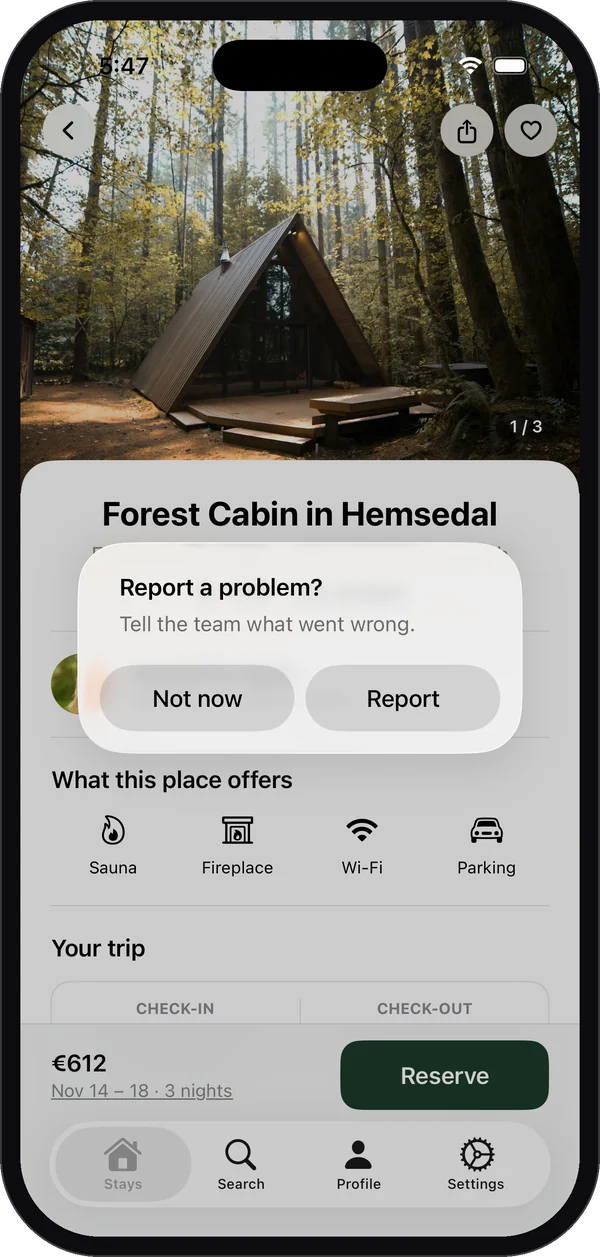
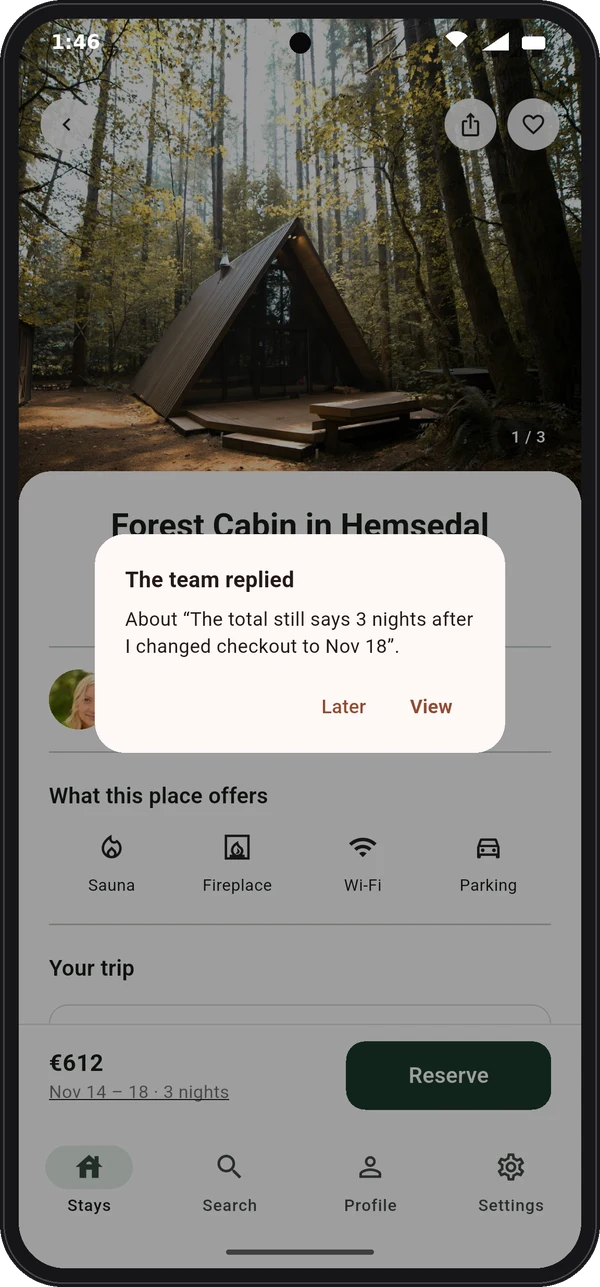
Testers take a screenshot when something’s wrong. Bopmigo offers “Report a problem?” right then, adds the screen, build and device, and asks a short follow-up when the report is unclear. You reply from your inbox, and they see it in the app.
TestFlight feedback from beta testers · Better bug reports from beta testers