How I’d find my first SaaS users in 2026: research first, ads later
Read the public conversations your users are already having, pick the channels they actually use, earn trust there, and turn the people who sign up into feedback before you spend on ads.
Short answer: start with research, not outreach. Read reviews, Reddit threads, comments on X, TikTok and Instagram, Facebook groups and GitHub issues until you know who has the problem, what they call it and where they talk about it. Show up there with something useful. Keep ads for later, when you know which message works. And once people sign up, hear from them inside the product, because cold email rarely reaches the ones who quietly leave.
Step 1: Read before you reach out
Public discussions give you a starting point for customer research. Read across several sources, and it tells you three things at once: whether the problem is real, the words people use for it, and where they gather.
| Signal | Where you find it | What it tells you |
|---|---|---|
| The same complaint repeated | G2, Capterra, Trustpilot, App Store reviews | A recurring problem to check with potential customers |
| “How do you all handle…” threads | Reddit, Facebook groups, forums | Where your users ask for help, and what they’ve tried |
| Requests with many reactions | GitHub issues | A request to investigate with the people who reacted |
| Casual complaints and tips | Comments on X, TikTok, Instagram, YouTube | The everyday words to use in your headline |
| “We switched to…” posts | Reviews and threads | Who is ready to change tools right now |
Step 2: Pick channels where your people actually are
Reach varies a lot. Pew’s US adult social-media survey is a broad audience reference. Use it alongside evidence of where your particular buyers discuss their work. Bigger isn’t automatically better: a small subreddit full of your exact users beats a big platform where they never talk shop. Use your research to pick one or two places, not six.
Step 3: Be useful there
- 1
Answer questions first
Spend a week answering questions in the places you picked, with no link. People notice who helps.
- 2
Share what you learned
A post like “I read 300 reviews of [tools] and here’s what people hate” is useful on its own, and it naturally leads to what you’re building.
- 3
Say who you are
When you mention your product, say it’s yours. Hidden promotion gets found out and it costs more trust than it earns.
- 4
Follow each community’s rules
Many subreddits and groups only allow promotion in set threads. Read the rules before posting.
Step 4: Hold ads until you have clarity
Ads amplify a message that already works. Before you know who signs up, what they call the problem and which headline converts, ads mostly pay to learn what research would have told you for free. Once a channel and message bring steady sign-ups on their own, ads help you do more of that.
Why cold email is hard, and what it misses
- Delivery needs checking. Authenticate your sending domain, monitor spam complaints and follow Gmail’s sender requirements. A delivered message still needs a clear, relevant question.
- Strangers rarely reply. A cold email asks for attention from someone who didn’t ask for you.
- It reaches people at the wrong moment. Even your own users, emailed later, have forgotten what confused them.
- It misses the quiet ones. The people who sign up, check it out and leave, or cancel without a word, are the ones you most need to hear from, and they rarely answer email.
Step 5: Turn sign-ups into conversations
Your first users are your best research. Put a Feedback button inside the product so they can tell you what’s broken, what’s confusing and what they need, at the moment it happens. That’s what Bopmigo does: a Feedback window on your website or mobile app, a short follow-up when something important is missing, and replies that reach people where they reported.
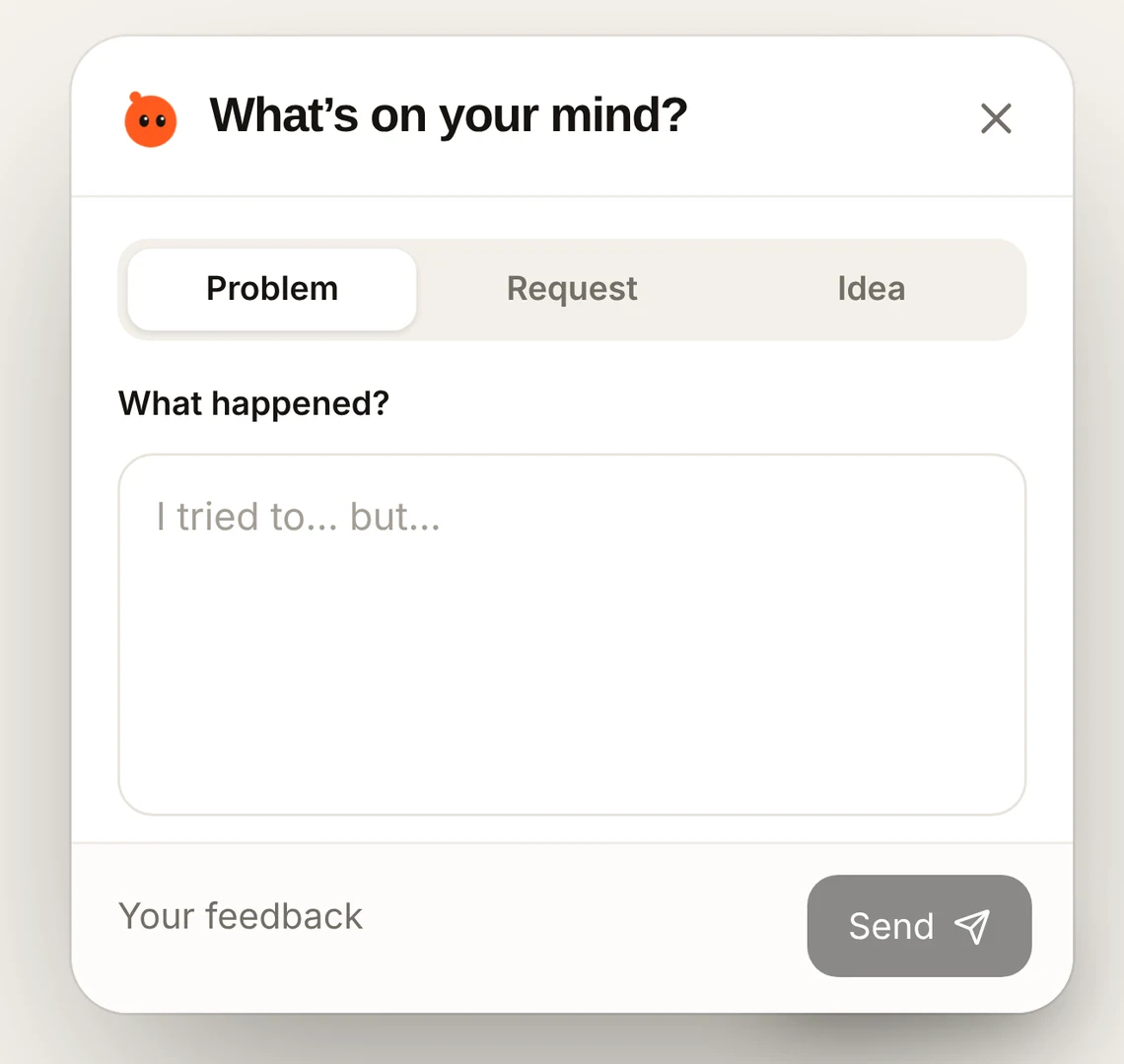
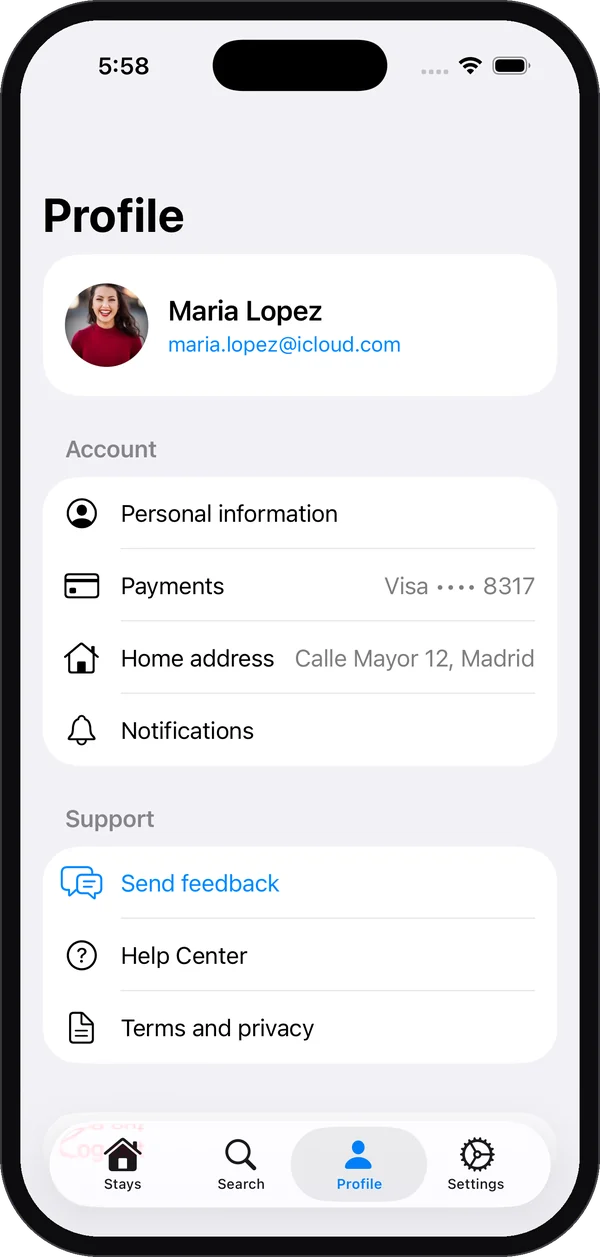
You find out why people stop, not just where. You see which requests come up most. And you can reply, which turns a frustrated first user into someone who tells others about you.
Questions
How many users do I need before it counts?
Ten people who use it every week tell you more than a thousand sign-ups who never come back.
Is it okay to reply to competitors’ unhappy customers?
Answering a public question with a genuine suggestion is fine; say who you are. Messaging people out of nowhere after reading their review usually isn’t welcome.
Should I still try cold email?
For business products with a clear buyer, carefully and in small numbers, from a domain set up properly. Treat it as research: ask about their problem, not for a sale.
Sources
- Pew Research Center: social media use fact sheet (June 2026 survey)
- Gmail email sender guidelines
- Product Hunt: how to promote your launch and what to avoid